

Guest Post by Uxify
Key Takeaways
- 52% of consumers have dropped a brand after one bad product or service experience, so make sure every product listing matches what arrives.
- Slow pages and clunky checkouts push shoppers away even when they love what you sell.
- 81% of shoppers abandon a purchase when their preferred delivery option is missing, and 79% leave over a poor returns process.
- How quickly and fairly you fix a problem matters as much to loyalty as the first purchase.
- Points, VIP tiers and referrals bring customers back when they can see what they’ve earned and what’s next.
Getting someone to buy from your online store is one thing. Getting them to come back is another.
With countless alternatives just a click away, customers have little reason to stay loyal to a store that doesn't consistently meet their expectations. Competitive prices and attractive products might win the first purchase, but building lasting customer relationships takes more.
So, what actually makes shoppers return? Let's explore five reasons customers keep choosing the same online stores and what you can do to turn first-time buyers into repeat customers.
1. Products That Live Up to Expectations
No amount of marketing can compensate for a disappointing product.
Customers return when they know what to expect and trust your products to deliver. Quality, reliability, and accurate product descriptions are the foundation of that trust.
According to PwC's 2025 Customer Experience Survey, 52% of consumers have stopped using or buying from a brand because of a bad experience with its products or services.
of consumers have stopped using or buying from a brand because of a bad experience with its products or services.
And quality means consistently delivering what you promise, whether you sell premium products or everyday ones. A $20 product that performs exactly as advertised can build more loyalty than a $200 product that disappoints.
How to encourage repeat purchases: Make sure product descriptions accurately represent what customers receive. Include closeup images, sizing information, and realistic expectations. Use customer feedback to identify recurring issues and improve your products.
When customers trust that their next order will be as good as their first, coming back is an easy decision.
2. A Great Customer Experience That Makes Shopping Effortless
Customers remember how easy or frustrating it was to shop with you.
Slow-loading pages, confusing navigation, unresponsive buttons, and complicated checkouts create unnecessary friction. Even when shoppers love your products, a frustrating experience can make them think twice about returning.
Research from Baymard Institute shows that 64% of desktop e-commerce sites and 63% of mobile sites deliver mediocre or worse checkout experiences. Meanwhile, PwC found that 29% of consumers had stopped buying from a brand because of poor customer experience.
Look for the small frustrations that make shopping feel like work and remove them, since that does more for sales than a visual refresh.
Agentic DXP platforms such as Uxify take a different approach from manual analysis and redesigns. They use AI agents that run on the live store and adjust the experience while visitors browse. Navigational agents such as Navigation AI anticipate where shoppers are likely to go next and preload the pages in advance, while INProve improves how quickly websites respond to interactions. Agents like Carter help save shoppers who are about to abandon their carts.
These technologies help e-commerce businesses address friction in real time, making shopping feel faster, smoother, and more intuitive.
How to encourage repeat purchases: Prioritize website speed, responsive interactions, intuitive navigation, and effortless checkout. Monitor where shoppers struggle and address those problems before they become reasons to leave.
Customers might not remember an exceptionally fast page transition, but they'll definitely remember a website that constantly makes them wait.
3. Reliable Delivery and Hassle-Free Returns
Reliable delivery and easy returns give shoppers the confidence to order again, because the customer experience doesn't end at "Buy now." For many shoppers, delivery is the moment a brand proves its reliability or breaks its promise.
DHL's E-Commerce Trends Report, based on 24,000 shoppers across 24 markets, found that 81% would abandon a purchase if their preferred delivery option wasn't available. Another 79% said they would leave if the returns process didn't meet their expectations.
would abandon a purchase if their preferred delivery option wasn't available.
would leave if the returns process didn't meet their expectations.
These findings highlight the importance of giving shoppers convenience, transparency, and control.
Customers want to know when their order will arrive, what shipping will cost, and what happens if something goes wrong. A positive post-purchase experience gives them confidence that ordering again will be just as straightforward.
How to encourage repeat purchases: Offer realistic delivery estimates, transparent shipping costs, post-order editing and a straightforward returns policy. When delays happen, communicate before customers need to chase you.
Reliability might not feel like the most exciting competitive advantage, but consistency gives customers fewer reasons to shop elsewhere.
4. Trust Built Through Transparency and Great Service
Customers come back to brands they trust, and that trust isn't built through promises alone. It comes from consistent experiences, honest communication, authentic reviews and how a business responds when something goes wrong.
Trust doesn't stop once a customer makes their first purchase. In fact, how a brand handles problems can have just as much impact on loyalty as the purchase itself. A delayed delivery or an incorrect order doesn't necessarily mean losing a customer, especially when the issue is resolved quickly and fairly.
How to encourage repeat purchases: Make customer support easily accessible, set clear expectations, and take responsibility when things go wrong. Show customers they can rely on your brand even when everything doesn't go according to plan.
Every interaction is an opportunity to demonstrate that your business is worth trusting.
5. Loyalty Programs That Give Customers a Reason to Return
Even customers who love your products and enjoy shopping with you sometimes need an extra reason to come back.
That's where a well-designed loyalty program can make a difference.
Rather than relying on constant discounts, loyalty programs reward customers for building an ongoing relationship with your brand. A shopper who earns points on their first purchase already has something to look forward to when they return. And someone approaching a new VIP tier has an additional reason to choose your store over a competitor.
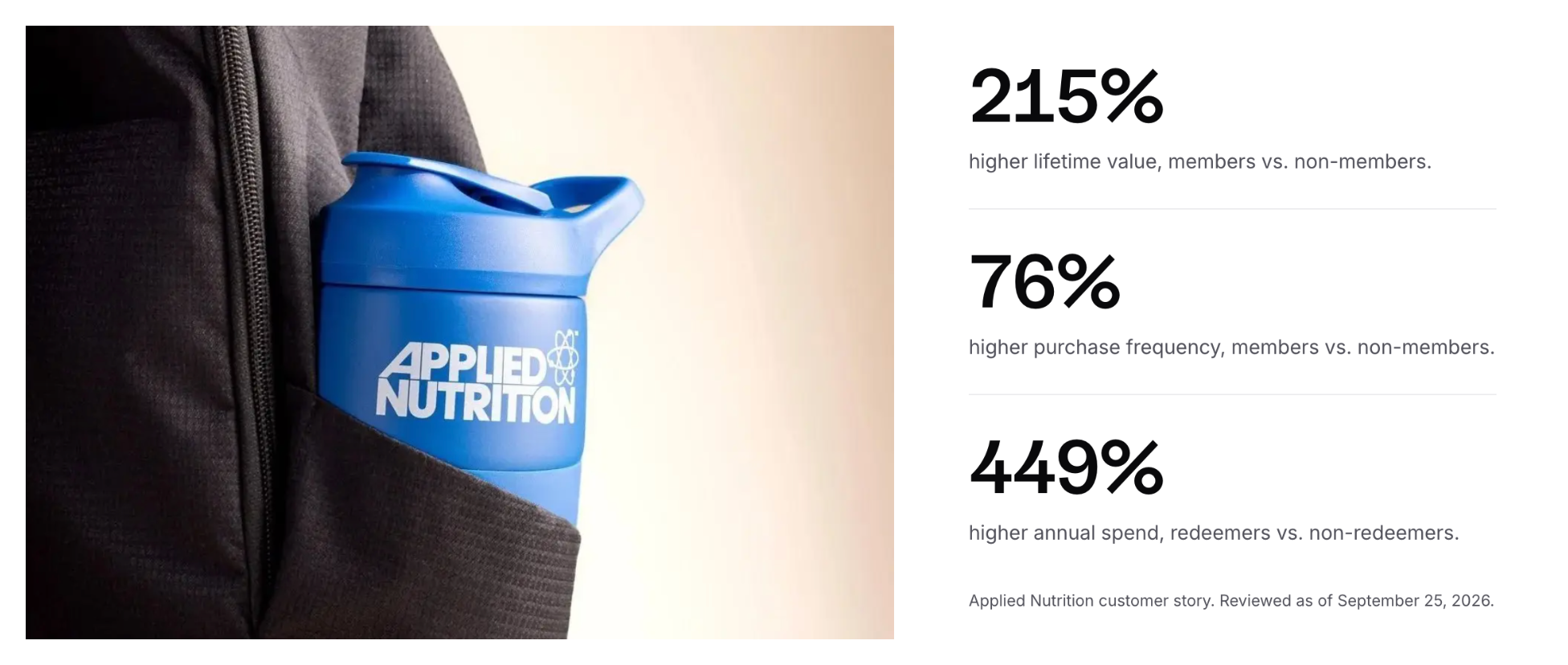
The best loyalty programs give customers multiple ways to engage with your brand.
With a points-based loyalty program, you can reward shoppers not just for purchases, but also for actions like creating an account, celebrating a birthday, or leaving a product review.
VIP tiers take things further by recognizing your most loyal customers with exclusive benefits, early access to products, or accelerated points earning. Meanwhile, referral programs encourage happy customers to spread the word, rewarding them for introducing friends to your store.
Customers also need to understand what they've earned and how close they are to their next reward.
Making loyalty benefits visible throughout the shopping journey keeps customers engaged and gives them a tangible reason to return. With our Loyalty Hub, shoppers can easily check their points, redeem rewards, and track their VIP progress directly from their customer accounts.
How to encourage repeat purchases: Create a loyalty program with achievable rewards, meaningful VIP benefits, and incentives that match your customers' interests. Make rewards easy to earn, track, and redeem, and remind customers of their available benefits through relevant post-purchase communication.
The goal isn't to train customers to wait for discounts. It's to make every purchase feel like the beginning of something more rewarding.
Why Do Customers Return to Your Store?
Customers don’t return to online stores for just one reason. They come back when products meet their expectations, shopping feels effortless, deliveries and returns are reliable, they trust the brand to make things right, and a loyalty program rewards them for coming back.
These five factors reinforce each other. A great product might convince someone to purchase again, but a frustrating website can make them reconsider. A rewarding loyalty program might encourage another order, but poor customer service can quickly undo the goodwill you’ve built.
For e-commerce businesses, sustainable growth comes from looking beyond the first conversion and creating an experience that customers genuinely want to repeat.
Because attracting a customer is only the beginning. The real opportunity is giving them every reason to come back.
Frequently Asked Questions About Repeat Customers
What is a repeat customer?
A repeat customer is a shopper who buys from the same online store more than once. They already know your products, delivery and service, so bringing them back usually costs less than winning a new shopper. They also respond well to loyalty rewards, VIP perks and post-purchase emails.
How do you increase repeat purchases in e-commerce?
Start with the basics that make a first order worth repeating: accurate product descriptions, a fast and easy shopping experience, reliable delivery and a simple returns policy. Then give customers a reason to come back. A loyalty program that rewards purchases, reviews and referrals helps, especially when you remind customers of their points after each order.
How do you calculate repeat purchase rate?
Repeat purchase rate is the share of customers who have placed more than one order in a given period. To calculate it, divide the number of customers with two or more orders by your total number of customers, then multiply by 100. Tracking it monthly shows whether your retention efforts are working.
Does website speed affect customer retention?
Yes, because slow pages, laggy buttons and complicated checkouts make shopping feel like work. PwC found that 29% of consumers have stopped buying from a brand because of poor customer experience. Agentic CRO platforms such as Uxify improve speed and responsiveness while shoppers browse, so returning customers get a smoother visit each time.


